
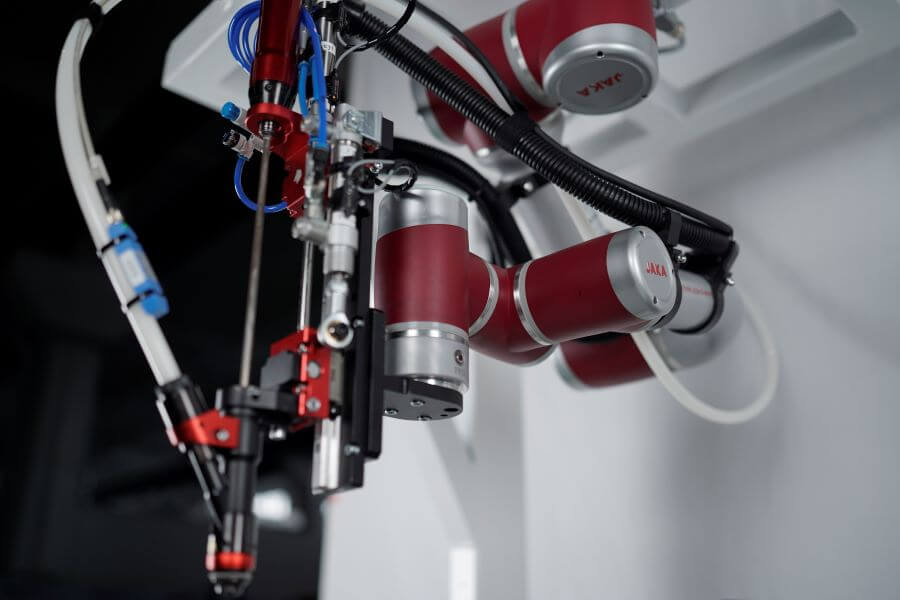
Imagine a factory floor buzzing with activity, where traditional robot arms fulfill their roles with precision and efficiency. However, as industries evolve, a new player emerges: the flexible robot arm. According to recent studies, over 30% of manufacturers now consider adopting flexible automation solutions. But what makes flexible robot arms so essential in today’s market? These adaptable tools, particularly the small industrial robot arms, enable manufacturers to streamline processes, reduce wasted time, and adapt quickly to varying production needs.
Traditional Solutions: The Underlying Flaws
There’s no doubt that traditional robotic systems were a game-changer in their heyday. However, they often lead to constraints—rigid workflows and inflexible setups. I recall a scenario from my experience: a local factory invested in a fixed robot arm that could only perform a single task. They soon realized their mistake when market demands shifted overnight, rendering their machine obsolete for versatility. Flexible robot arms offer an agile alternative; they roll with the punches, taking on multiple tasks throughout the day without the downtime for reconfiguration.
What Can Flexible Robot Arms Do?
Just think about it—these arms can easily shift their actions, accommodating different products throughout the week. Whether it’s assembly, picking or packaging, the possibilities seem endless. With the integration of cutting-edge sensors and AI, the flexibility of these robots goes beyond just movement. It’s about fine-tuning performance which can be daunting yet necessary in this fast-paced landscape.
Looking Ahead: A Shift Toward Flexible Solutions
As we glance toward the future, the focus on automation is only going to intensify. Companies increasingly understand the necessity of adaptability, especially when faced with unforeseen challenges. The small industrial robot arm is making strides in this arena, showcasing the ability to flexibly re-program with minimal effort. It empowers businesses to stay relevant, ensuring they aren’t left behind in the relentless race for efficiency.
Real-world Applications and Impact
In real-world settings, a flexible robot arm can be the linchpin in overcoming supply chain dilemmas. Just last year, I visited a packaging company that successfully navigated labor shortages by incorporating these robots into their workflow. They reported not just increased output but also a significant seed of morale among workers who felt more empowered by technology. It’s stories like these that highlight the transformative potential of flexible robotics.
Key Insights and Final Thoughts
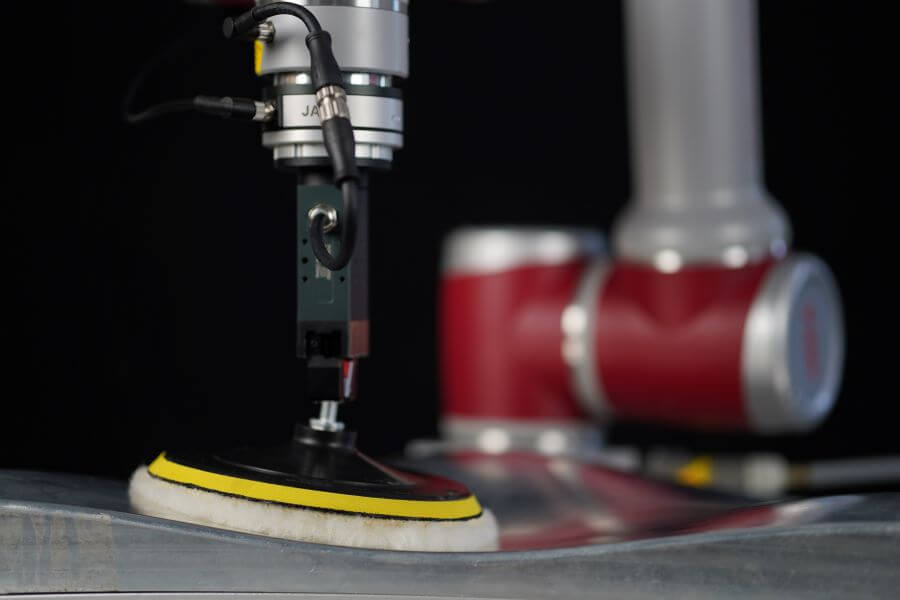
From my experience, it’s clear that investing in flexible robot arms can offer tangible advantages. They respond to challenges with agility, making them indispensable in adhering to changing production requirements. If you’re considering this route, keep in mind three essential metrics: adaptability to various jobs, ease of integration into existing systems, and long-term operational costs. My key takeaway? The future is flexible, and we need to embrace it. If you’re looking to enhance your automation strategy, you won’t regret considering options like those from JAKA—after all, change is just around the corner!